A slow path to decarbonizing shipping.
Ship fuel accounts for 2.8% of global emissions, and the technology to fix it mostly already exists. What's missing is a reason for anyone to go first.
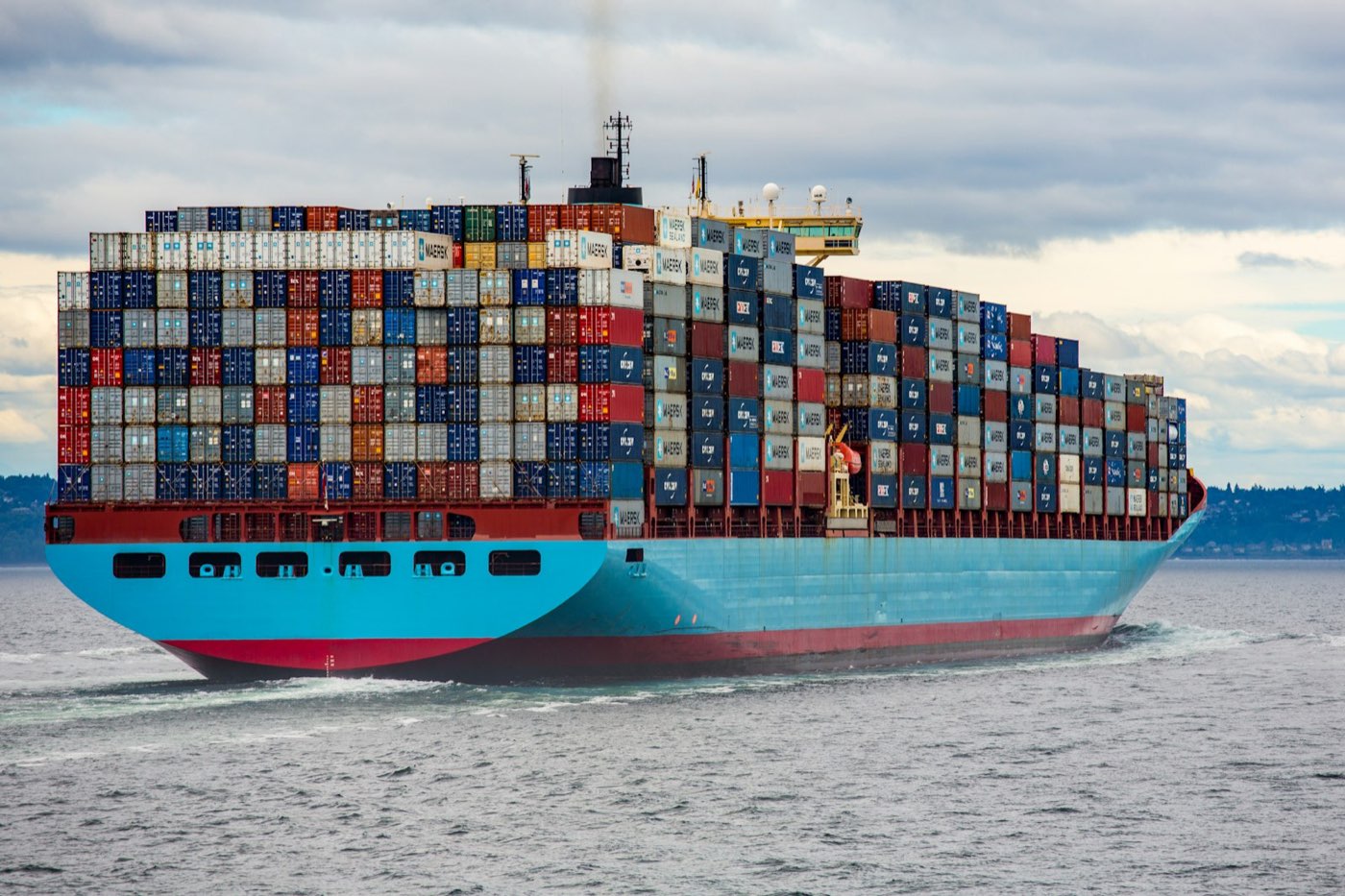
A fuel problem with no drop-in fix
Diesel burned in ships accounts for 2.8% of global greenhouse gas emissions, a share that could in principle shrink fast: hydrogen and green ammonia are real fuels, not research-stage ideas. The problem is that almost no ship currently afloat can run on them, and almost no port is set up to bunker them. A ship's working life is 20 to 30 years, which means new vessels need to start being built with this transition in mind by the end of this decade if the fleet is going to look meaningfully different by 2050. Shipbuilders, engineers, charterers and financiers all have to move together for that to happen, and right now they aren't.
60,000 ships, no two alike
There is no shortage of retrofit options for the roughly 60,000 merchant ships already on the water: wind propulsion, routing optimized to follow favorable winds, lower-resistance propeller designs, air lubrication (bubbling air under the hull to cut drag), smaller electric ships for short routes, and simply running slower to save fuel. The steel in those ships needs to move toward a circular, renewable system too, in terms of the power that drives them and the materials and resources they're built from in the first place. But unlike cars or aircraft, each of those 60,000 ships was built to a yard's own one-off specification, which makes fleet-wide standardization of any single fix genuinely difficult.
A chicken-and-egg economy
Underneath the engineering is a more basic economic problem. Fossil bunker fuel is cheap, propped up by decades of subsidy, and nobody wants to be the shipowner who pays more to go first. The two leading green alternatives both carry serious drawbacks: ammonia is toxic, and alcohol-based fuels like ethanol are highly flammable, which makes both a harder sell on safety grounds alone. Climate financing, meanwhile, is reluctant to fund a technology that isn't proven, but it can't get proven without funding, a genuine chicken-and-egg problem with no clean way out inside the current economics of the industry. There's currently no logical way to demonstrate decarbonization within that paradigm at all.
A concrete attempt to break the deadlock
The International Chamber of Shipping and its industry partners have proposed a $5 billion fund for zero-carbon ship research and development, financed by a mandatory levy of $2 per tonne on marine fuel over a 10-year period. The ICS argues this is the scale of investment needed to make commercially viable zero-carbon ships achievable within 10 to 15 years, a critical step in the right direction if the largest ports, shipping companies, fishing fleets and energy companies can actually imagine a better future together. Container shipping lines and large retailers are separately pushing their own supply chains to decarbonize to meet stakeholder and investor pressure, which adds a second, independent source of demand alongside regulation, and gives the industry a clearer stake in actually getting there.
What it would take to move faster
This is a genuinely large commercial opportunity, and what it needs is government funding and private investment that's risk-tolerant and actually committed to environmental sustainability, enough to trigger a race where people try to change the system rather than just navigate around it. Right now progress is slowed by long-drawn inertia and delay at the IMO, particularly around exclusive economic zones and marine protected areas that get overlooked in the process. There's no single fix here. What's needed is expertise built across sectors that don't normally talk to each other, and new pipelines for food, transport and energy that can route around the complexity of geopolitics rather than waiting on it to resolve.